
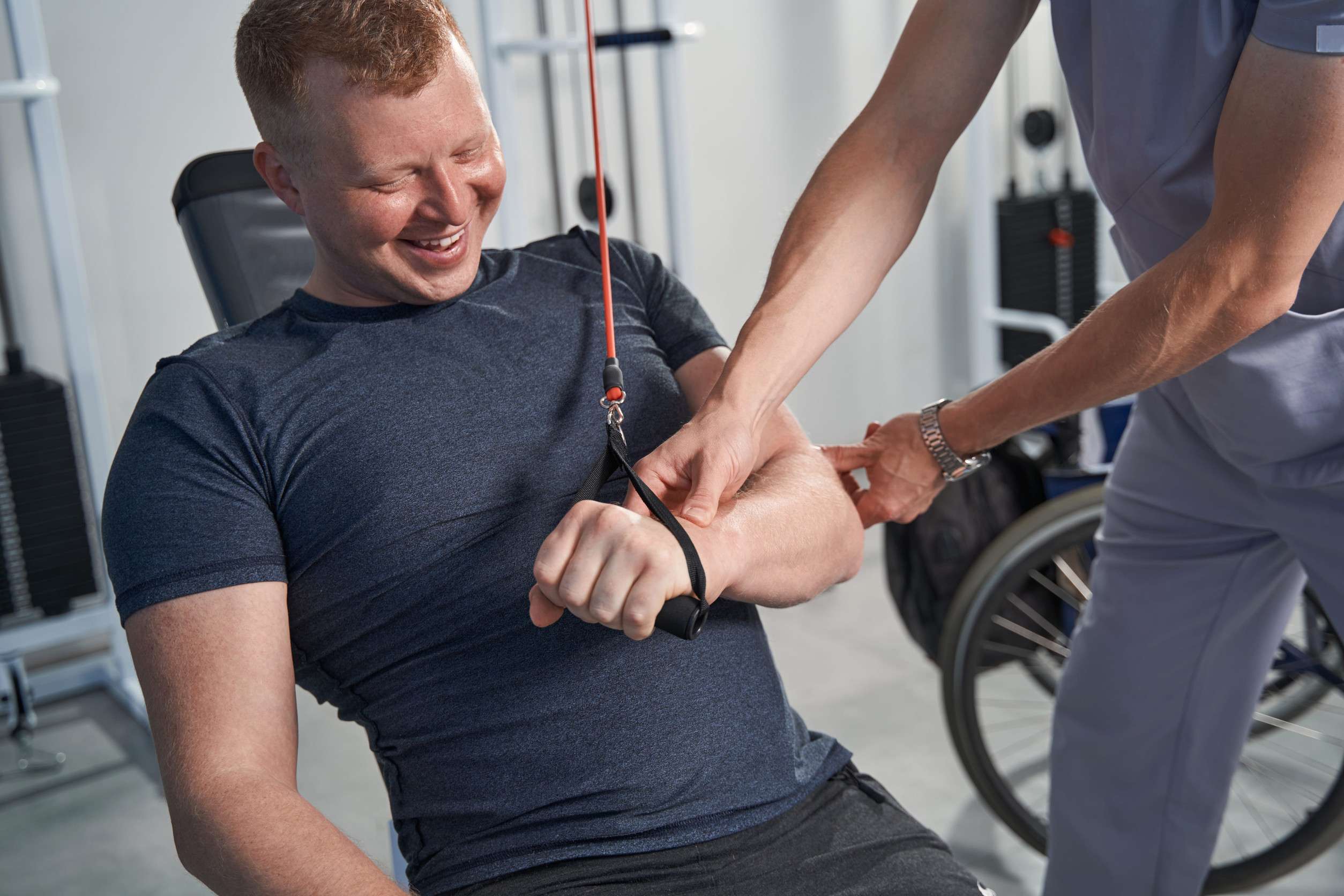
Your first physiotherapy appointment is mainly about understanding your symptoms, assessing how your body moves and creating a suitable treatment plan. Your physiotherapist may ask about your pain, medical history, lifestyle, work, activity levels and goals. They may then examine the affected area, check your movement, strength, balance or posture, and explain what may help. Depending on your condition, your first session may also include advice, hands-on treatment or exercises to do at home.
If you have never seen a physiotherapist before, it is completely normal to feel unsure about what will happen. Many people worry about what to wear, whether treatment will hurt, whether they need a GP referral or whether they will be expected to exercise straight away.
This guide explains what usually happens at a first physiotherapy appointment, how to prepare and what you can do to get the most from your session.
What Is The Purpose Of Your First Physiotherapy Appointment?
The main purpose of your first physiotherapy appointment is to assess your problem properly. Before a physiotherapist can recommend treatment, they need to understand what you are experiencing, how it affects your day-to-day life and what you want to achieve.
For example, one person may want help with lower back pain that makes sitting at work difficult. Another person may want to return to running after a knee injury. Someone else may need help improving mobility after a fall, surgery or a long-term condition.
Your first appointment may help your physiotherapist understand:
- Where your pain, stiffness or weakness is located
- When the problem started
- Whether symptoms came on suddenly or gradually
- What makes the symptoms better or worse
- How the problem affects your work, sleep, sport or daily routine
- Whether there are signs that another healthcare service may be needed
- What treatment approach may be suitable for you
The appointment should also give you a clearer understanding of what may be causing your symptoms and what the next steps could involve.
What Happens Before The Appointment?
Before your appointment, you may be asked to provide some basic details about yourself and your symptoms. This could include your contact details, the reason for your appointment, your medical history and any medication you take.
If you are attending a private clinic, you may also receive information about appointment length, fees, cancellation policies and what to bring. If you are unsure about any of this, it is worth checking before you attend.
You can also prepare by thinking about your symptoms in advance. This can make the appointment more useful, especially if your pain or injury has been going on for several weeks or months.
What Questions Will The Physiotherapist Ask?
Your physiotherapist will usually begin by asking questions. This part of the appointment is important because it helps them build a full picture of your problem.
They may ask:
- Where are your symptoms?
- How long have you had the problem?
- Did anything specific trigger it?
- Is the pain sharp, dull, burning, aching or shooting?
- Does the pain travel anywhere else?
- Are symptoms worse at certain times of day?
- What movements or activities make it worse?
- What helps relieve it?
- Have you had this problem before?
- Have you had scans, X-rays, surgery or previous treatment?
- Are you taking any medication?
- Do you have any other health conditions?
- What would you like to get back to doing?
Some questions may feel detailed, but they are there to help your physiotherapist assess the issue safely and accurately. For example, lower back pain, hip pain, nerve symptoms and muscle strains can sometimes overlap, so your answers can help guide the assessment.
What Happens During The Physical Assessment?
After discussing your symptoms, your physiotherapist may carry out a physical assessment. This will depend on the part of the body being assessed and the type of problem you have.
The assessment may include checks of:
- Joint movement
- Muscle strength
- Balance
- Flexibility
- Posture
- Walking pattern
- Nerve symptoms
- Functional movements such as bending, squatting, reaching or standing from a chair
Your physiotherapist may also gently feel the affected area to assess tenderness, swelling, muscle tone or joint movement. They should explain what they are doing and ask for your consent before any physical assessment or treatment.
If you are uncomfortable at any point, you can say so. A good physiotherapy appointment should feel collaborative, not rushed or pressured.
Will You Need To Remove Any Clothing?
Sometimes, your physiotherapist may need to see or assess the affected area. For example, if you have knee pain, it may help if they can see how your knee moves. If you have shoulder pain, they may need to observe your shoulder and upper back movement.
You should only be asked to remove clothing where it is clinically relevant and you are comfortable doing so. You can ask for an explanation, request privacy or ask whether the assessment can be adapted.
To make things easier, wear clothing that allows you to move comfortably and makes the affected area easier to assess.
What Should You Wear To A Physiotherapy Appointment?
Comfortable, loose-fitting clothing is usually best. Try to wear something that lets you move freely and allows the physiotherapist to assess the area causing problems.
Useful options may include:
- Shorts for knee, hip, ankle or lower leg problems
- A vest top or loose T-shirt for shoulder, neck or upper back problems
- Comfortable trainers if walking, balance or lower limb movement may be assessed
- Flexible clothing if you may need to bend, stretch or move during the session
If you are coming straight from work and cannot change beforehand, let the clinic know. Many assessments can be adapted where needed.
Will Treatment Start At The First Appointment?
Treatment may start during your first physiotherapy appointment, but this depends on your symptoms, assessment findings and the time available.
Your first appointment may include:
- Advice about how to manage your symptoms
- A simple exercise plan
- Hands-on treatment, where appropriate
- Movement, posture or activity guidance
- Advice on returning to work, sport or daily activities
- Discussion of how many sessions may be needed
In some cases, the first appointment focuses mainly on assessment. This can still be valuable because it helps build a safer, more personalised treatment plan.
The NHS explains that physiotherapy treatment may include exercise, manual therapy, advice about managing symptoms and other approaches depending on the person and condition. You can read more in the NHS guide to physiotherapy.
Will The Appointment Hurt?
A physiotherapy assessment should not be about forcing you through severe pain. However, some tests or movements may reproduce your symptoms slightly because the physiotherapist is trying to understand what is causing the problem.
You should tell your physiotherapist if anything feels too painful, uncomfortable or worrying. This feedback helps them adjust the assessment and choose a suitable treatment approach.
It is also normal to feel some mild soreness after certain exercises or hands-on treatment, especially if an area has not moved well for a while. Your physiotherapist should explain what is normal, what is not and what to do if symptoms flare up.
What Should You Bring With You?
You do not usually need to bring much, but a few things can help your physiotherapist understand your situation more clearly.
Consider bringing:
- A list of current medication
- Details of previous injuries or surgery
- Relevant letters from your GP, consultant or other healthcare professional
- Scan or X-ray reports if you have them
- Details of previous physiotherapy, chiropractic, osteopathy or sports therapy treatment
- A short list of questions you want to ask
- Comfortable clothing or footwear if needed
You may also want to write down your main goal. This could be something simple, such as walking without pain, sleeping better, lifting your child, returning to the gym or getting through a workday more comfortably.
How Long Does A First Physiotherapy Appointment Take?
The length of a first physiotherapy appointment can vary between clinics and depends on the type of problem being assessed. First appointments are often longer than follow-up appointments because they include a detailed conversation, assessment and treatment planning.
If you are booking privately, check your appointment confirmation or contact the clinic to ask how long your first session will last. This can help you plan travel, parking, childcare or work commitments around the appointment.
What Happens After The Assessment?
After the assessment, your physiotherapist should explain what they have found in plain English. They may discuss what is likely contributing to your symptoms and what can be done to help.
Your plan may include:
- Exercises to improve strength, movement or control
- Advice on activity levels and pacing
- Hands-on treatment where suitable
- Education about pain, injury or recovery
- Changes to work, sport or daily movement habits
- A suggested number of follow-up sessions
- Advice on whether another healthcare professional should be involved
Your physiotherapist may also give you exercises to complete at home. These are often a key part of recovery because progress usually depends on what happens between appointments, not just what happens during the session itself.
Will You Get Exercises To Do At Home?
Many people are given home exercises after their first physiotherapy appointment. These may be simple movements, stretches, strengthening exercises or mobility exercises.
Your physiotherapist should explain:
- How to do each exercise
- How often to do it
- How many repetitions to complete
- What the exercise should feel like
- When to stop or ask for advice
- How the exercise supports your recovery goal
It is important to be honest if you are unlikely to manage a complicated exercise routine. A realistic plan that you can follow is usually more useful than a perfect plan that does not fit your life.
Can You Ask Questions During The Appointment?
Yes. Your first physiotherapy appointment should give you a chance to ask questions and understand your care.
You may want to ask:
- What do you think is causing my symptoms?
- Is it safe for me to keep exercising?
- Are there any movements I should avoid for now?
- How often should I do my exercises?
- How long might recovery take?
- How will we measure progress?
- How many sessions might I need?
- When should I seek further medical advice?
Asking questions can help you feel more confident and make your treatment plan easier to follow.
Do You Need A GP Referral?
Many private physiotherapy clinics allow self-referral. This means you can contact the clinic directly and book an appointment without seeing your GP first.
However, there may be situations where your physiotherapist advises you to speak to your GP, NHS 24 or another healthcare service. This may happen if your symptoms suggest that further investigation, medication, imaging or specialist care could be needed.
If you are unsure whether physiotherapy is suitable for your symptoms, you can contact the clinic before booking and explain what is going on.
When Should You Seek Urgent Medical Help Instead?
Physiotherapy can help with many muscle, joint, mobility and injury-related problems. However, some symptoms need urgent medical attention rather than a routine physiotherapy appointment.
- New loss of bladder or bowel control
- Numbness around the saddle area
- Sudden or severe weakness in the legs
- Chest pain, severe shortness of breath or symptoms of a possible heart problem
- Severe pain after a major fall, accident or trauma
- Signs of infection, such as fever, feeling very unwell, redness or significant swelling
- Severe, unexplained or worsening symptoms that feel unusual for you
If symptoms feel serious or life-threatening, call 999. If you need urgent medical advice in Scotland but it is not an emergency, NHS 24 on 111 may be appropriate.
How To Prepare For Your First Physiotherapy Appointment
A little preparation can help you get more from your first session.
Before you attend, it may help to:
- Think about when your symptoms started
- Make a note of what makes the pain better or worse
- Write down your main goal for treatment
- Bring details of medication or relevant medical history
- Wear comfortable clothing
- Arrive a little early if you are attending a clinic for the first time
- Prepare any questions you want to ask
It can also help to be open about your concerns. For example, tell your physiotherapist if you are worried about pain, nervous about movement, recovering from a previous bad experience or unsure what level of activity is safe.
What If You Feel Nervous?
Feeling nervous before a first physiotherapy appointment is very common. You may be worried about being examined, moving a painful area or being told you need to stop doing something important to you.
A physiotherapy appointment should be a conversation as well as an assessment. You can ask your physiotherapist to explain each step, slow down, adapt an exercise or avoid anything that feels uncomfortable.
The aim is to help you understand your body, improve movement where possible and build a plan that feels manageable.
Book A Physiotherapy Appointment In Glasgow
If you are looking for physiotherapy support in Glasgow, Physiotherapy Clinic Glasgow Direct can help you understand your symptoms and explore your treatment options.
Whether you are dealing with back pain, neck pain, a sports injury, stiffness, reduced mobility or a problem that is affecting your everyday routine, your first appointment is a chance to be assessed and receive clear guidance on what to do next.
To ask a question or arrange an appointment, please visit our contact page.
Frequently Asked Questions About First Physiotherapy Appointments
Below, you can find answers to some common questions about what to expect at your first physiotherapy appointment.
What happens at your first physiotherapy appointment?
Your first physiotherapy appointment usually starts with a conversation about your symptoms, medical history, lifestyle and goals. Your physiotherapist may then assess your movement, strength, balance, posture or the affected area before discussing a treatment plan.
Will I get treatment at my first physiotherapy appointment?
You may receive treatment, advice or exercises at your first appointment, depending on your symptoms, assessment findings and what is appropriate for you. In some cases, the first session focuses mainly on assessment and planning.
What should I wear to a physiotherapy appointment?
Wear comfortable clothing that lets you move easily and allows the physiotherapist to assess the affected area. For example, shorts can be useful for leg, knee or hip problems, while a vest top can be useful for shoulder or upper back problems.
Do I need to bring anything to my first physiotherapy appointment?
It can help to bring details of your symptoms, medication, relevant medical history, imaging results, referral letters and any questions you want to ask. You should also think about what you want to achieve through physiotherapy.
How long does a first physiotherapy appointment take?
Appointment length varies by clinic and by the type of problem being assessed. Your first appointment is usually longer than a follow-up because it includes discussion, assessment and planning. Check your booking confirmation or contact the clinic if you are unsure.
Can I book a physiotherapy appointment without a GP referral?
Many private physiotherapy clinics allow self-referral, meaning you can contact the clinic directly without seeing your GP first. If your symptoms may need medical investigation, your physiotherapist can advise you on whether to contact your GP, NHS 24 or another healthcare service.